
Void Filling in Addison, TX
- Family-Owned
- 20+ Years Experience
- High Quality
- Honest & Affordable
- Family-Owned
- 20+ Years Experience
- High Quality
- Honest & Affordable


WHAT YOUR NEIGHBORS ARE SAYING ABOUT US
GET IN TOUCH
What is Void Filling?
Void filling is a foundation repair technique that involves injecting a material into voids or cavities beneath a building’s foundation. These voids can be caused by soil erosion, water drainage issues, or settling soil, leading to structural instability. Over time, these voids can result in uneven settling, cracks in the foundation, or even sinking of the entire building if left untreated.
Void filling helps to address these issues by filling the empty spaces under the foundation, restoring the load-bearing capacity of the soil, and stabilizing the structure. The process typically involves the use of a filling material, such as polyurethane foam, cementitious grout, or other specialized compounds, which hardens and stabilizes the soil, preventing future shifting or settling.
At Addison Foundation Repair Solutions, we offer reliable void filling services designed to protect the integrity of your foundation. Whether you’re dealing with small cracks or large voids, we have the expertise to provide a lasting solution.
Our Services
- Commercial Foundation Repair
- Compaction Grouting
- Concrete Slab Foundation Repair
- Cracked Wall / Structural Repair
- Drainage Services and Repair
- Gutter Installation
- House Raising / Lifting
- House Leveling
- Mobile Homes
- Mud Pumping
- Mudjacking / Slabjacking
- Pier and Beam or Block and Base Foundation Repair
- Polyurethane Foam Injection
- Pressed Concrete Pilings
- Pressed Steel Pilings
- Root Barrier
- Slab Foundation Replacement
- Slab Pier Installation
- Slurry Grouting
- Soil Removal
- Soil Stabilization
- Steel Push Pier Installation
- Tunneling
- Void Filling
Signs You Need Void Filling Services
Foundation issues caused by voids or cavities beneath your property are serious and should be addressed promptly. Here are some common signs that may indicate the need for void filling:
- Cracked Foundation: Visible cracks in the foundation walls or floors, especially near corners or along the slab, can suggest that there are voids causing uneven pressure.
- Uneven or Sagging Floors: Floors that are no longer level, sag, or appear to be sinking could indicate that the soil underneath is shifting due to voids.
- Doors and Windows Sticking: If doors or windows are difficult to open or close, it may be due to the shifting foundation caused by voids beneath the surface.
- Gaps Between Walls and Floors: Large gaps appearing between the walls and the floor or ceiling can be a sign that the foundation is settling unevenly because of voids.
- Exterior Cracks: Cracks along the exterior of the foundation or between brickwork can indicate that shifting or settling has occurred.
If you notice any of these issues, it’s essential to get in touch with a professional foundation repair company to assess the situation and determine if void filling is necessary.
How Void Filling Works
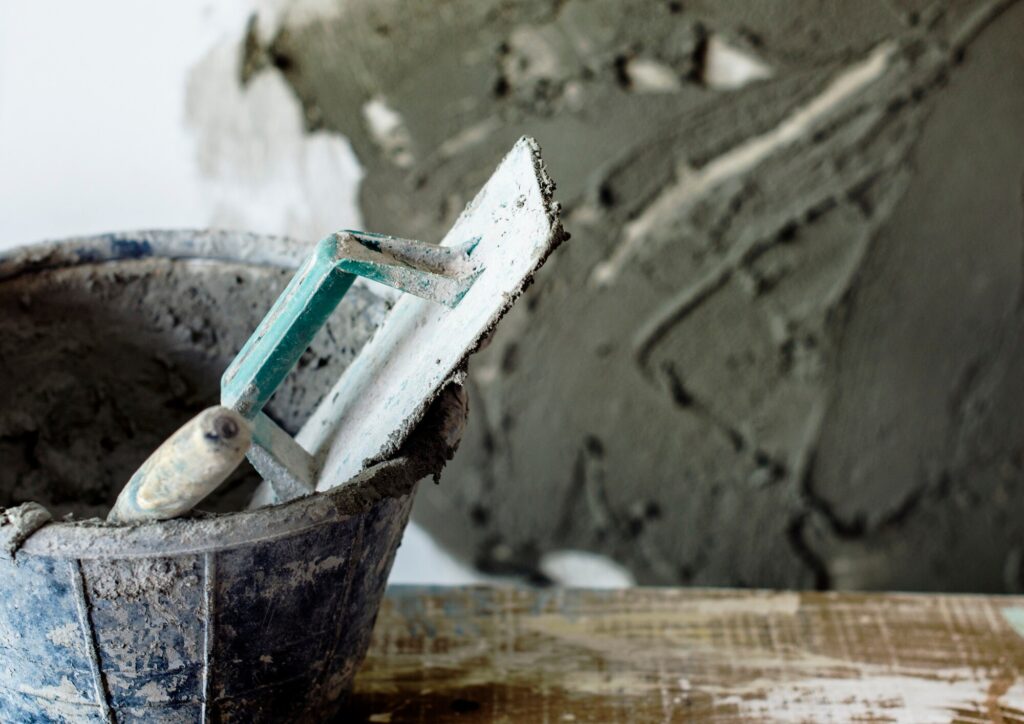
Void filling is a straightforward process that involves several key steps. Depending on the size and nature of the voids, the method and materials used for filling may vary. Here’s how void filling typically works:
1. Initial Inspection
The first step in the void filling process is to perform a thorough inspection of your property. Our foundation repair experts will carefully assess the foundation for any signs of voids, cavities, or other structural issues. This step may involve the use of advanced technology, such as ground-penetrating radar or other scanning methods, to accurately detect voids beneath the surface.
2. Preparing the Site
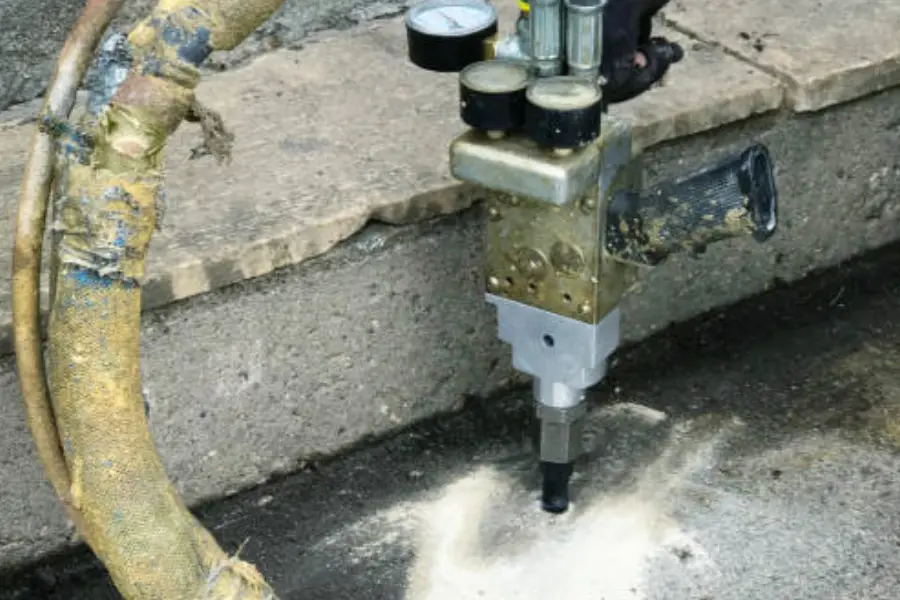
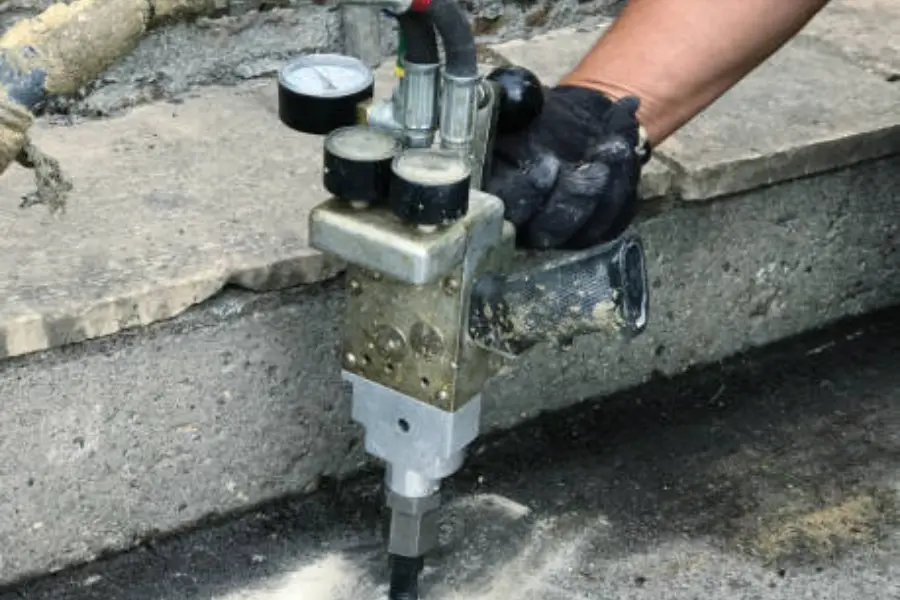
Once the voids are identified, the next step is to prepare the site. In most cases, this involves drilling small holes in the foundation or slab at specific points where voids have been detected. These holes allow the filling material to be injected directly into the voids, filling the empty spaces beneath the surface.
3. Injecting the Filling Material
A specialized filling material is injected into the voids. The most commonly used materials for void filling include:
- Polyurethane Foam: This is a lightweight, expandable material that is commonly used for void filling. It can quickly fill gaps and cavities and expands to completely fill the void. Polyurethane foam is highly effective for stabilizing the foundation and preventing further shifting.
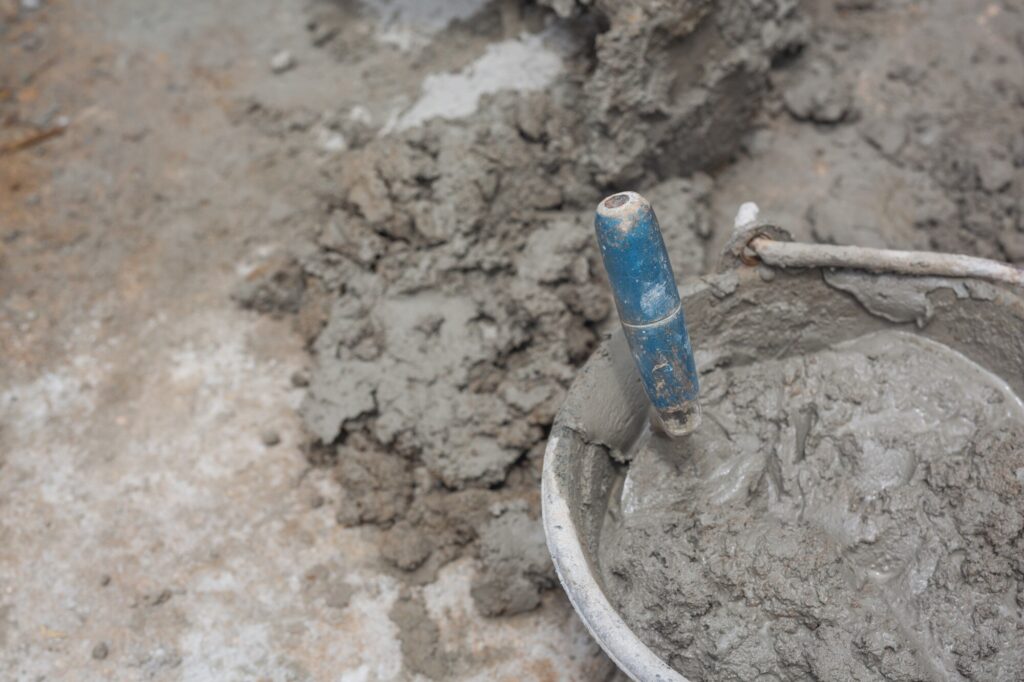
- Cementitious Grout: This is a heavy-duty material used for larger voids. Cementitious grout is typically used when a more solid, long-lasting solution is needed. It hardens over time, providing increased support and stability for the foundation.
- High-Density Polyurethane: This type of foam is used for deep voids or areas with significant weight-bearing requirements. It is denser than regular polyurethane foam and provides a more durable solution for stabilizing foundations.
Once injected, the material fills the voids, stabilizing the soil and foundation. The material may expand to create additional pressure, helping to lift and level the foundation.
4. Monitoring and Final Assessment
After the voids are filled, the next step is to monitor the area and assess the results. Our team will check to ensure that the foundation has been properly stabilized and that the voids have been effectively filled. We may also monitor the area over time to ensure that the filling material is holding up and the foundation remains stable.
Benefits of Void Filling
Void filling offers several key advantages that make it an ideal solution for foundation repair. Here are some of the primary benefits:
- Restores Stability: Void filling restores the structural integrity of the foundation, reducing the risk of future shifting, settling, or cracking.
- Prevents Further Damage: By filling the voids beneath your foundation, you prevent further damage to the foundation and surrounding structures, such as walls, floors, and ceilings.
- Cost-Effective Solution: Void filling is a relatively affordable foundation repair method compared to full foundation replacement. It’s an efficient solution for stabilizing your property without the need for major reconstruction.
- Non-Invasive: Unlike traditional foundation repair methods, void filling is minimally invasive. The process typically requires only small holes to be drilled into the foundation, reducing disruption to your property.
- Quick and Effective: Void filling can often be completed in a matter of hours or a few days, depending on the size of the voids, making it a fast and effective way to address foundation issues.
- Prevents Soil Erosion: By filling the voids beneath the foundation, void filling helps prevent soil erosion, which can lead to further foundation problems over time.
- Lifts and Levels the Foundation: The expanding foam or grout used in void filling can help lift and level a sinking foundation, providing immediate relief for issues caused by uneven settling.
When Should You Consider Void Filling?
Void filling is a highly effective solution for addressing foundation issues caused by cavities or voids in the soil beneath your property. However, it’s important to know when to consider this option. Here are some situations in which void filling can be an ideal solution:
- Small to Medium-Sized Voids: If your foundation is affected by small to medium-sized voids or cavities beneath the surface, void filling can be a quick and cost-effective solution to restore stability.
- Uneven Settling or Shifting: If your property is experiencing uneven settling or shifting due to soil movement, void filling can help fill the gaps and prevent further damage.
- Cracks in the Foundation: Visible cracks or damage to your foundation can be caused by the presence of voids beneath the surface. Void filling can help restore the integrity of your foundation and prevent further cracking.
- Water Drainage Issues: Voids under your foundation can also be caused by water drainage problems. If your property experiences poor drainage or water pooling near the foundation, void filling can help stabilize the soil and prevent erosion.
FAQs About Void Filling
1. How long does void filling take?
The process typically takes a few hours to a day, depending on the size and complexity of the voids. After the material is injected, it hardens quickly, providing immediate support to your foundation.
2. Will void filling work for large voids?
Void filling is effective for both small and large voids. However, larger voids may require more intensive materials like cementitious grout for added strength and durability.
3. How long will void filling last?
Void filling materials are designed to last for many years, providing long-term stabilization for your foundation. However, it’s important to monitor the area over time to ensure that no additional issues arise.
4. Is void filling the same as foundation lifting?
While void filling can help lift a sinking foundation by filling the gaps beneath it, it is not a complete foundation lifting solution. In some cases, foundation lifting may be necessary in conjunction with void filling for optimal results.
Looking for Void Filling Services Near Me?
If you’re looking for reliable and professional void filling services in Addison, TX, look no further than Addison Foundation Repair Solutions. Our expert team is ready to restore your foundation’s stability and prevent future damage.
Contact us today at 972-449-4547 for a free consultation and estimate. Don’t wait until small issues turn into major problems—take action now to protect your property!