
Soil Stabilization in Addison, TX
- Family-Owned
- 20+ Years Experience
- High Quality
- Honest & Affordable
- Family-Owned
- 20+ Years Experience
- High Quality
- Honest & Affordable


WHAT YOUR NEIGHBORS ARE SAYING ABOUT US
GET IN TOUCH
What is Soil Stabilization?
Soil stabilization is the process of improving the physical properties of soil to increase its strength, durability, and load-bearing capacity. This technique is commonly used in foundation repair, road construction, and other infrastructure projects where soil conditions may compromise the stability of the structure.
Soil stabilization for foundation repair specifically targets areas where the soil beneath a building or structure has become weak, expansive, or prone to shifting. In cases where foundations are sinking, cracking, or showing signs of uneven settling, soil stabilization can provide a lasting solution by addressing the root cause—the soil underneath.
At Addison Foundation Repair Solutions, we offer advanced soil stabilization methods that can help ensure your foundation remains stable and strong. Whether it’s residential, commercial, or industrial foundations, we have the tools, knowledge, and experience to stabilize your soil and protect your property.
Our Services
- Commercial Foundation Repair
- Compaction Grouting
- Concrete Slab Foundation Repair
- Cracked Wall / Structural Repair
- Drainage Services and Repair
- Gutter Installation
- House Raising / Lifting
- House Leveling
- Mobile Homes
- Mud Pumping
- Mudjacking / Slabjacking
- Pier and Beam or Block and Base Foundation Repair
- Polyurethane Foam Injection
- Pressed Concrete Pilings
- Pressed Steel Pilings
- Root Barrier
- Slab Foundation Replacement
- Slab Pier Installation
- Slurry Grouting
- Soil Removal
- Soil Stabilization
- Steel Push Pier Installation
- Tunneling
- Void Filling
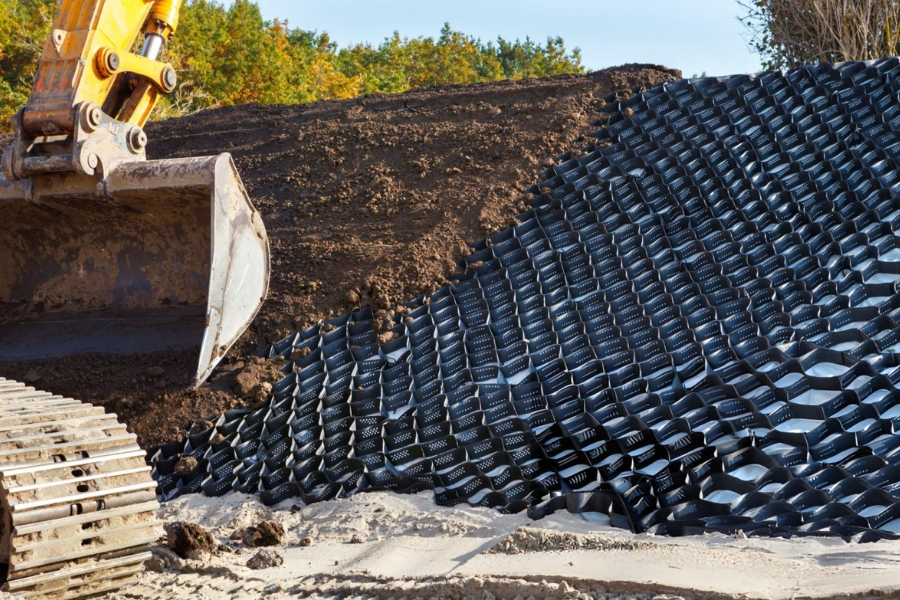
Signs That Your Soil Needs Stabilization
Not all foundation problems are caused by the foundation itself. Often, the soil underneath is the main culprit. Here are some common signs that your property’s soil may need stabilization:
- Cracked Walls and Floors: Large cracks in walls, floors, or ceilings can be indicative of soil movement that’s affecting your foundation. These cracks may widen or worsen over time.
- Uneven Flooring: If your floors are uneven or slanted, it could be due to shifting soil that causes the foundation to settle unevenly.
- Doors and Windows That Don’t Close Properly: Misaligned doors and windows, or those that stick when opening or closing, can result from foundation settling due to weak or expansive soil.
- Foundation Cracks: Visible cracks in the foundation itself, especially near the corners or along the slab, may be a sign of soil shifting underneath.
- Water Drainage Issues: If water tends to pool in certain areas of your property or if drainage is poor, this could be a sign that the soil composition is not stable enough to properly handle water runoff.
If you notice any of these signs, it’s essential to get an inspection from a foundation repair expert to evaluate the condition of your soil and determine if stabilization is necessary.
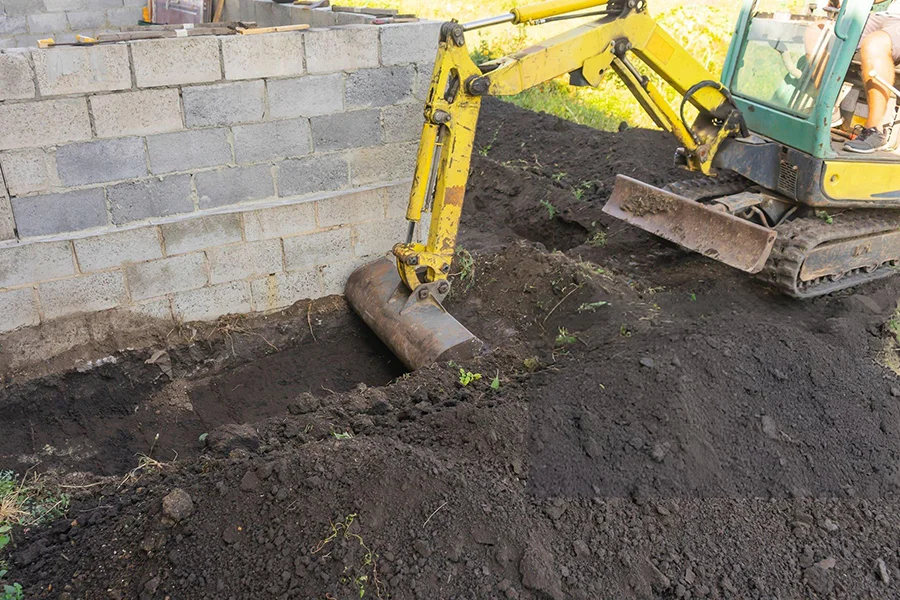
How Does Soil Stabilization Work?
Soil stabilization involves several techniques, each chosen based on the specific needs of the site and the soil conditions. These methods work by altering the soil’s structure to make it more resistant to changes in moisture and pressure, increasing its load-bearing capacity, and preventing future soil-related issues. Some common methods used in soil stabilization include:
1. Chemical Soil Stabilization
Chemical stabilization involves the application of chemical agents to the soil to bind and stabilize the particles. The most common chemicals used include lime, cement, and fly ash. These chemicals alter the properties of the soil and make it less susceptible to moisture changes, thereby reducing the risk of erosion or shifting.
- Lime Stabilization: Lime is added to clayey soils to reduce the soil’s plasticity and improve its compaction and shear strength.
- Cement Stabilization: Portland cement is used to enhance soil properties by increasing its bearing capacity and reducing water permeability.
- Fly Ash Stabilization: Fly ash, a byproduct of coal combustion, is often used in conjunction with lime to stabilize soils, particularly those with high clay content.
2. Mechanical Soil Stabilization
This method focuses on altering the physical structure of the soil to improve its strength and stability. It often involves compacting the soil to increase its density and reduce the potential for settling.
- Compaction Grouting: This technique injects a cement-based grout into the soil under pressure, forcing the soil particles closer together, which strengthens the soil and reduces voids.
- Vibratory Compaction: This method uses mechanical vibrations to compact loose soils, improving their stability and load-bearing capacity.
3. Geosynthetic Stabilization
Geosynthetic materials, such as geotextiles, geomembranes, and geogrids, are used to stabilize the soil by reinforcing it and preventing soil movement. These materials are especially effective in areas where erosion or soil displacement is a concern.
- Geogrids: These are synthetic materials used to reinforce the soil, preventing movement and enhancing its load-bearing capacity.
- Geotextiles: Geotextiles are used to separate different soil layers, preventing soil mixing and improving overall stability.
4. Grout Injection
In areas with highly expansive or shifting soil, grout injection can be used to fill voids and improve the strength of the underlying soil. This process involves injecting a specialized grout into the ground, which then hardens, providing a solid and stable foundation.
5. Polyurethane Foam Injection
Polyurethane foam injection is a modern soil stabilization method that uses expanding foam to fill voids and lift and level the foundation. As the foam expands, it fills gaps, solidifies the soil, and stabilizes the ground beneath.
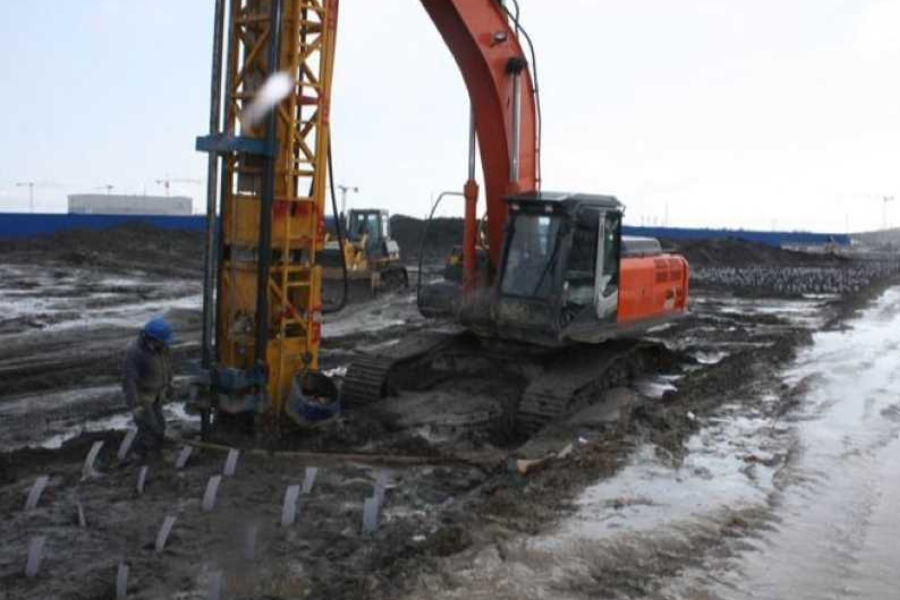
Why is Soil Stabilization Important for Foundation Repair?
Soil stabilization is a crucial component of foundation repair because it addresses the root cause of many foundation issues—unstable or shifting soil. Without stabilizing the soil, any repairs made to the foundation may be temporary, as the soil beneath the structure could continue to shift and cause further damage.
Here are some key reasons why soil stabilization is essential for effective foundation repair:
- Prevents Future Shifting: By stabilizing the soil, you prevent the risk of future shifting, settling, or erosion that could damage the foundation again.
- Improves Load-Bearing Capacity: Stabilized soil is better able to handle the weight of the structure, reducing the risk of foundation damage due to excessive load.
- Minimizes Foundation Stress: When soil moves or expands, it puts stress on the foundation. Stabilized soil helps distribute the weight evenly, reducing strain on the foundation and other structural elements.
- Increases Longevity of Repairs: Stabilized soil creates a stable environment for the foundation, increasing the lifespan of the repair work and reducing the need for future interventions.
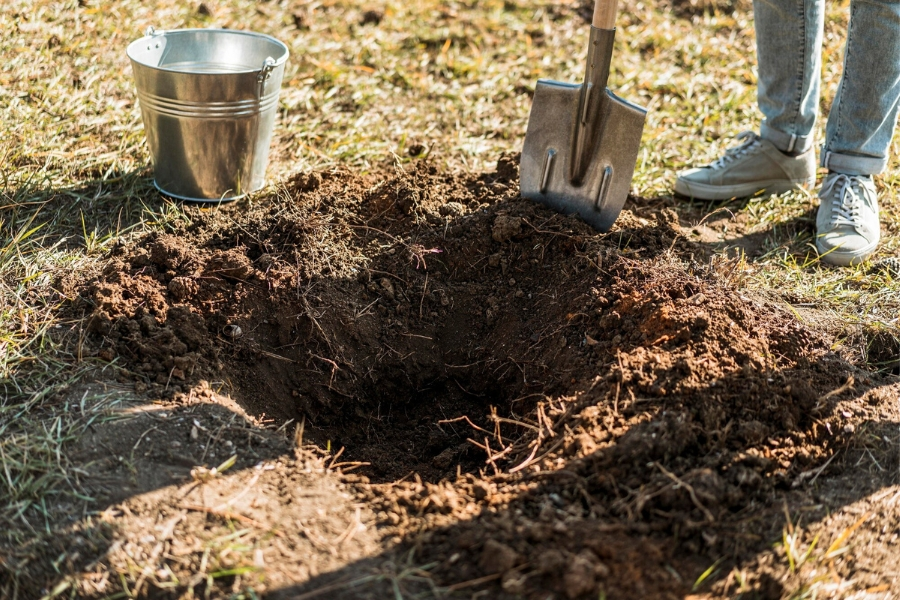
Benefits of Soil Stabilization
Soil stabilization offers several advantages, both for your property’s foundation and for the overall health of the surrounding landscape. Some of the key benefits include:
- Enhanced Foundation Integrity: Stabilizing the soil helps ensure that your foundation remains secure and level, preventing further damage from shifting or settling.
- Reduced Maintenance Costs: By addressing soil issues early, soil stabilization reduces the need for expensive foundation repairs or replacements down the road.
- Long-Term Stability: Stabilized soil provides long-term support for your foundation, helping prevent future issues caused by soil movement.
- Protection from Soil Erosion: Stabilization helps prevent the erosion of soil around the foundation, ensuring that the home or building remains secure.
- Increased Property Value: A well-stabilized foundation contributes to the overall value and appeal of your property, especially if you plan to sell in the future.
FAQs About Soil Stabilization
1. What are the most common causes of unstable soil?
Unstable soil can be caused by several factors, including excessive moisture, poor drainage, expansive soils (which swell and shrink with moisture changes), erosion, and human activity like excavation or construction.
2. How do I know if my property needs soil stabilization?
Signs of unstable soil include foundation cracking, uneven flooring, sticking doors and windows, and drainage issues. A professional foundation inspector can evaluate your property and determine if soil stabilization is necessary.
3. How long does soil stabilization take?
The timeline for soil stabilization depends on the method used and the size of the area being treated. Chemical stabilization typically takes a few days, while more extensive treatments may take a week or more.
4. Is soil stabilization a one-time fix?
In most cases, soil stabilization is a long-term solution. However, it’s important to regularly monitor the foundation and soil conditions to ensure that the stabilization holds over time, especially if there are significant changes in weather or moisture levels.
Get Professional Soil Stabilization Services in Addison, TX
If you’re dealing with foundation issues caused by unstable soil, Addison Foundation Repair Solutions is here to help. Our team of experts specializes in soil stabilization and can help ensure the long-term stability of your foundation. We offer free estimates and professional advice to help you make the best decision for your property.
Call us today at 972-449-4547 for more information or to schedule a consultation. Let us help you restore the strength and stability of your foundation with our reliable soil stabilization services in Addison, TX.